
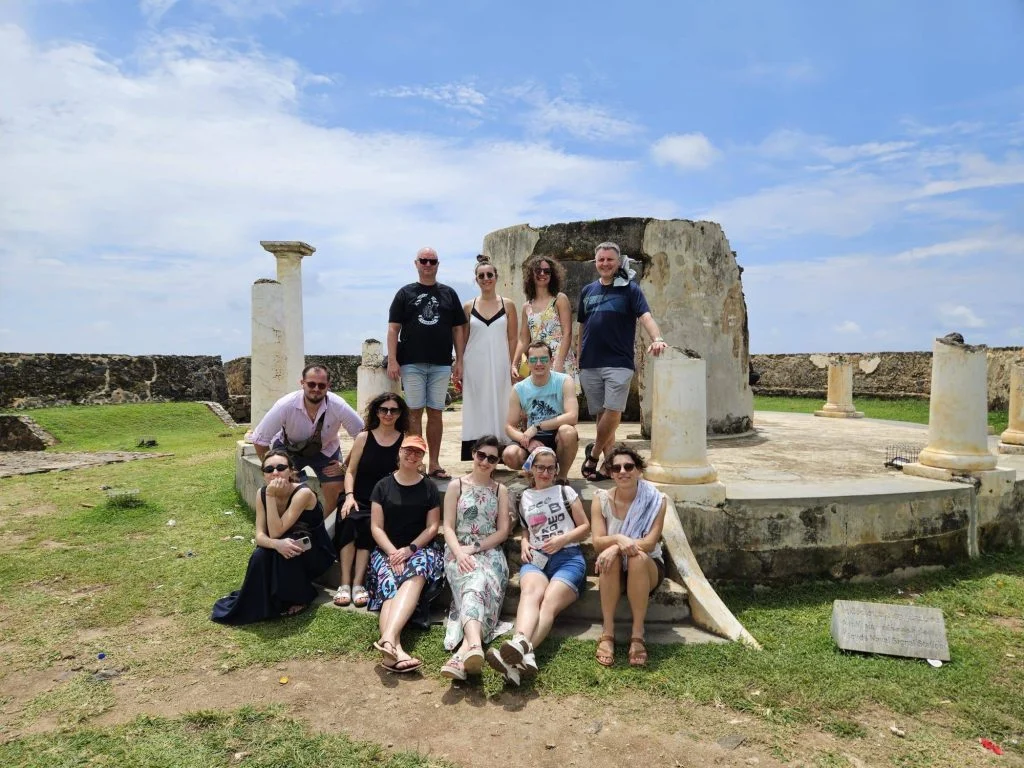
The team of Prof. dr. Edvin Dervišević is currently in Colombo, on our study trip this year, where they have successfully begun the second week of intensive professional education.
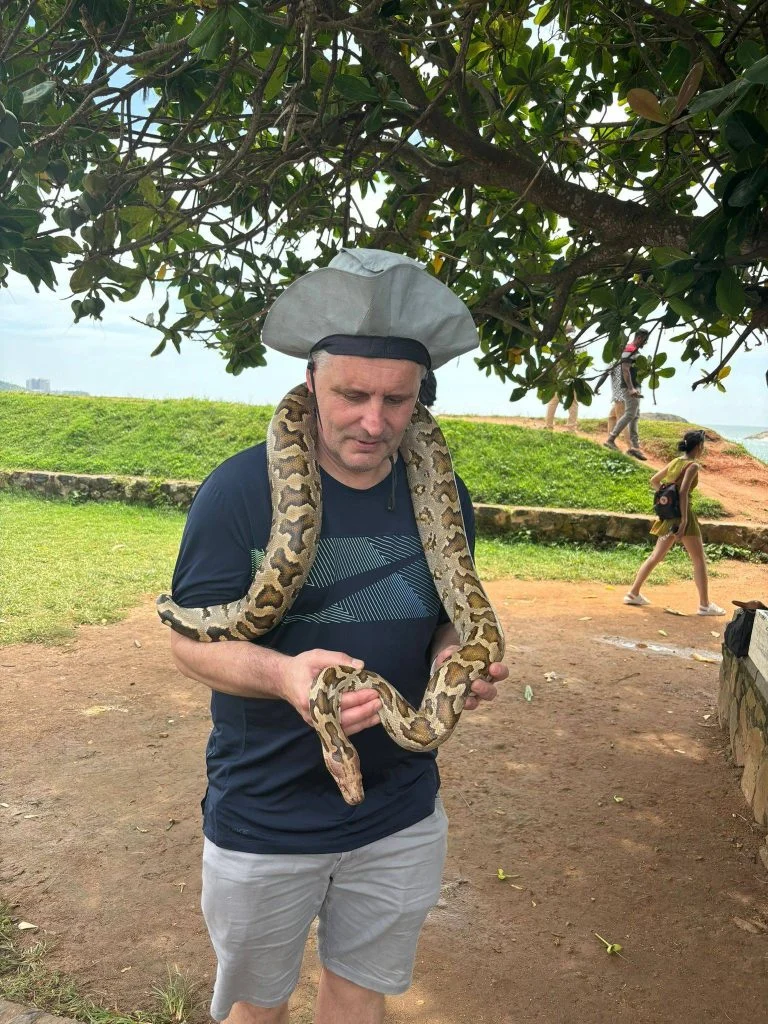
After a first week filled with clinical work, lectures, and sharing experiences with the hosts, the past weekend was an opportunity to take a break and explore the beauties of Sri Lanka. The extended weekend brought new experiences, encounters with rich culture, nature, and the warmth of the people, which gave the study trip an additional dimension – a personal, human, and unforgettable one.
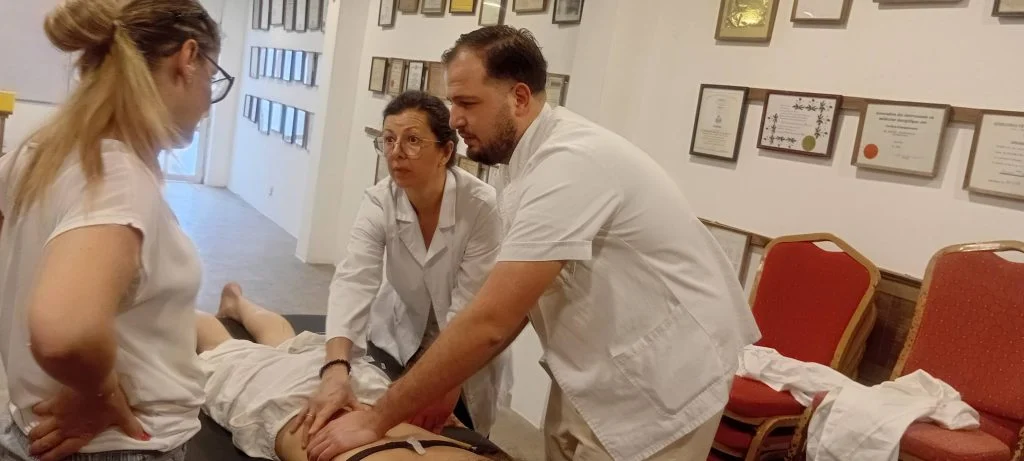
The second week brings continued clinical work, deepening knowledge and even more intensive exchange of experiences. Participants have the opportunity to directly observe contemporary clinical approaches to traditional Chinese medicine in an international environment, analyze cases and refine therapeutic strategies.

Study trips are always more than education. They are a space for meetings, professional growth and broadening of horizons. This is exactly the spirit that reigns in Colombo these days – a combination of serious professional work and the sincere joy of a shared experience.
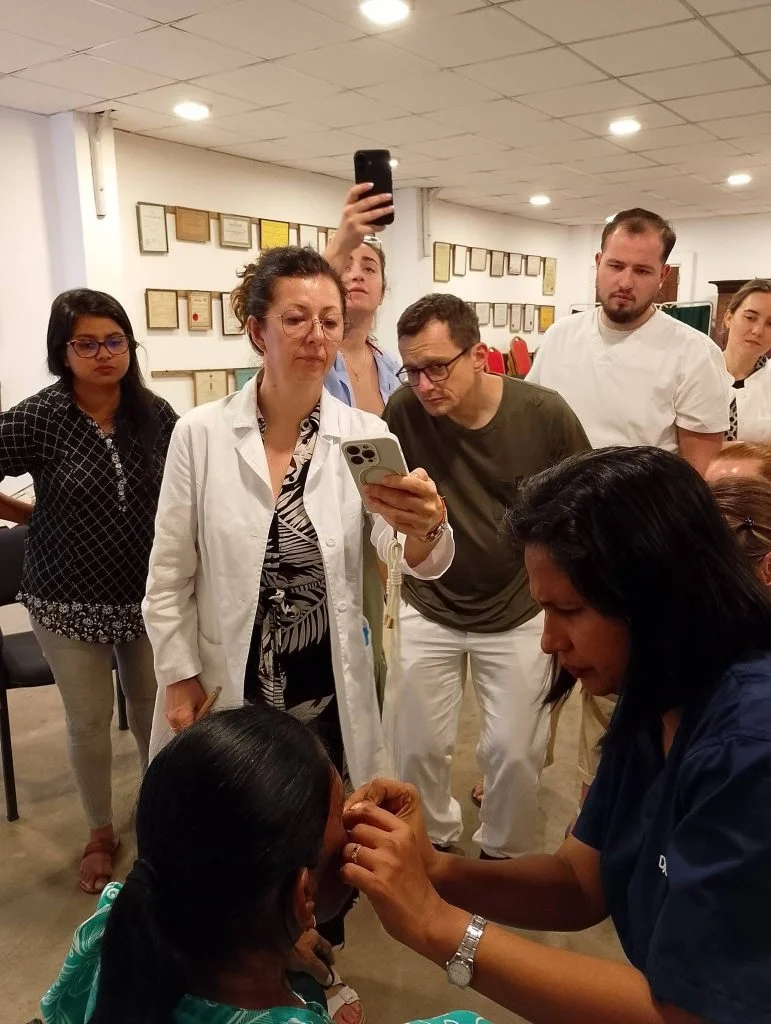
We are proud of our team and look forward to the new knowledge they will bring with them.
Interesting facts about acupuncture in Sri Lanka
- Acupuncture in Sri Lanka is not a traditional practice , but it has been strongly integrated into the healthcare system in recent decades. Although the country has a long Ayurvedic tradition, acupuncture is accepted as a complementary medical method and is used in both public and private institutions.
- State hospitals have acupuncture departments. In some larger hospitals, acupuncture is used in the treatment of pain syndromes, neurological disorders and rehabilitation after stroke.
- A special focus is on rehabilitation. Due to the high incidence of strokes and musculoskeletal problems, acupuncture is often used as part of an integrative approach to therapy.

- Education is internationally oriented. Sri Lanka has institutions that collaborate with Chinese universities and experts, which has contributed to the standardization and academic development of acupuncture in the country.
- Acupuncture and Ayurveda coexist. Although they originate from different medical systems, they are often combined in practice, making Sri Lanka an interesting example of integrative medicine.
- The availability of therapy is wide. In some government facilities, acupuncture is available to patients without high costs, which contributes to its popularity among the local population.
- Clinical work is very practical. Training and study tours in Sri Lanka emphasize direct observation of patients, differentiation of syndromes, and application of therapeutic strategies in real-world settings.