
Traditional Chinese Medicine – the Basics
Traditional Chinese Medicine (TCM) is one of the world’s oldest continuously practiced medical systems, with a history spanning more than 2,000 years. It is based on a holistic understanding of health, viewing the body, mind, and environment as interconnected. Rather than focusing only on symptoms, TCM aims to identify and address the underlying patterns of imbalance that may contribute to illness.
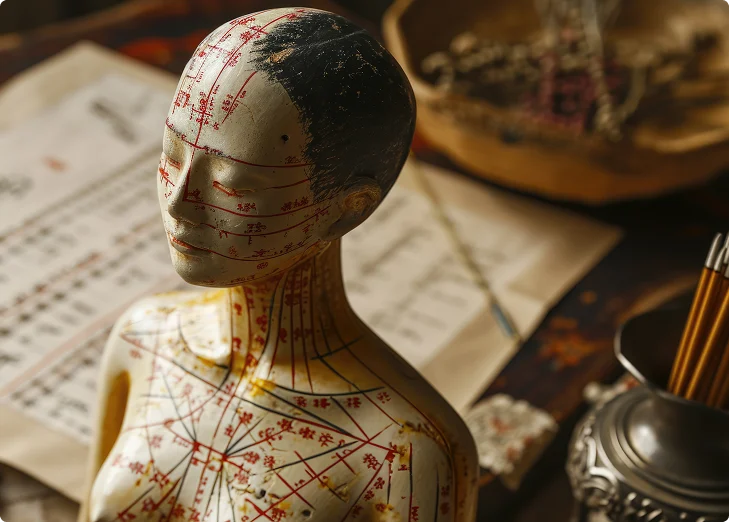
Core Principles of TCM
The theoretical foundation of TCM includes concepts such as Qi (vital energy), Yin and Yang, and the Five Elements, which are used to explain the body’s functions and its relationship with the natural world. Health is understood as a state of balance, while disease is seen as the result of disruptions in this harmony.
Diagnosis and Treatment Methods
Diagnosis in TCM involves a comprehensive assessment of the individual, including observation, questioning, pulse palpation, and tongue examination. Based on these findings, practitioners develop a personalized treatment approach that may include acupuncture, moxibustion, cupping therapy, dietary recommendations, therapeutic exercises, and other traditional techniques.
Today, TCM is practiced and studied worldwide, with growing interest in its integrative approach to health and well-being. While rooted in ancient traditions, modern TCM education combines classical knowledge with contemporary research, clinical practice, and professional standards, preparing practitioners to apply these methods responsibly and effectively.
International Online
School of Acupuncture
Our International Online Acupuncture School represents the most structured and longest-running educational program in the region of the former Yugoslavia, accredited by the Medical Chamber of Slovenia with 50 credit points (KT).
The program is intended exclusively for doctors and dentists with a valid license.